Project 4
Scaling a Music Tech Platform for International Growth
Employer
Dissimilis
Sector
Expertise
Date
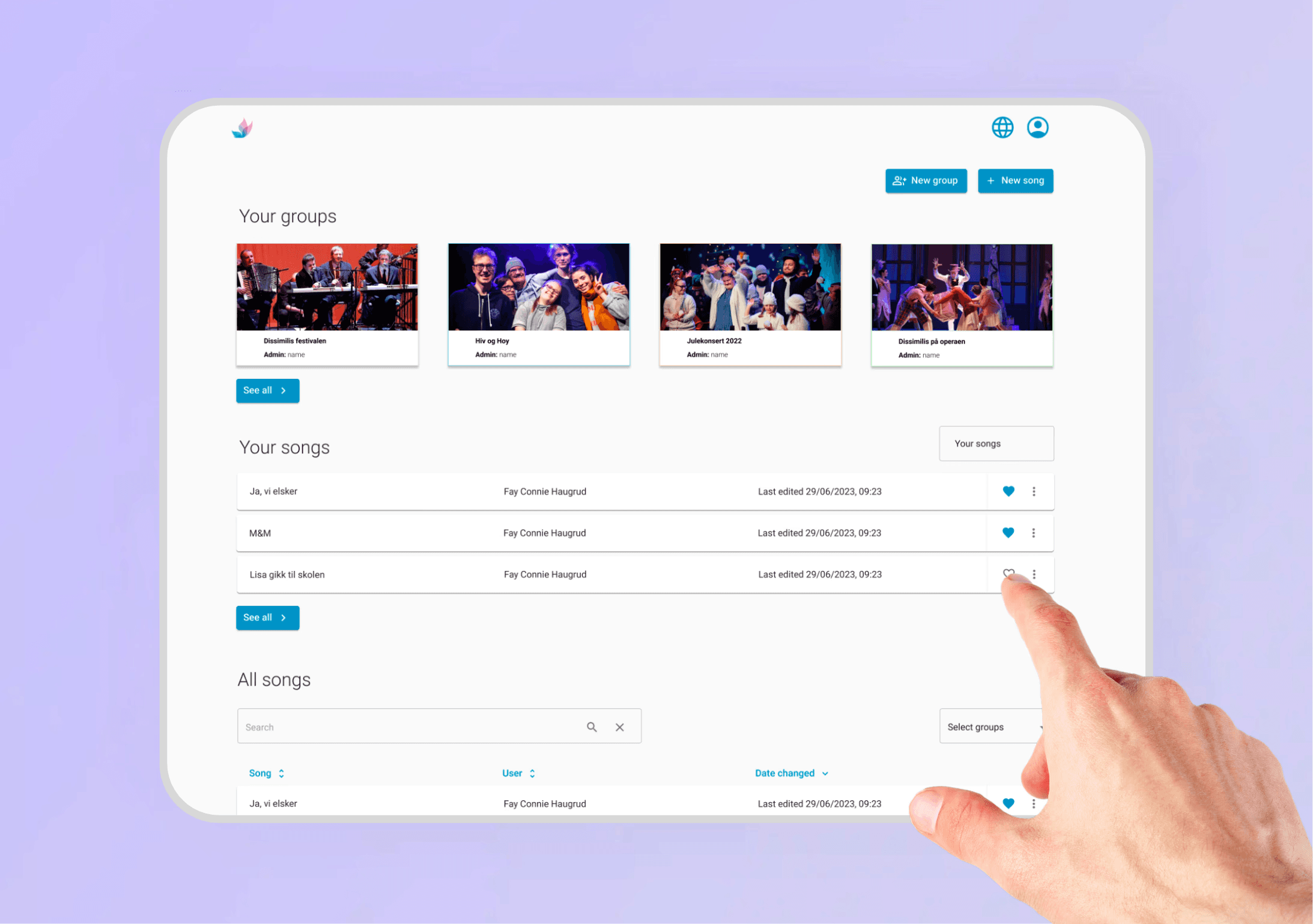
Role & Collaboration
My role • UX/UI Designer in a larger cross-functional team. Focused on redesigning the admin panel, navigation, and information architecture to support international growth. Team • 3 designers (UX/UI), 8 developers, and 1 Product Owner. How we work • Scrum-based delivery in 2-week sprints, with a shared backlog and user stories. • Continuous design–dev collaboration through sprint rituals, design reviews, and iterative testing.
The Problem -->
The initial version of the platform was hampered by critical administrative and structural flaws, making it unviable for international growth. Core Systemic Flaws: • Chaotic and unintuitive administration panel structure. • Low content discoverability and unclear user action pathways. • Excessive reliance on training required for basic system operations. • Lack of foundational support for multilingual and international contexts. • Inconsistent and poorly defined role-based access permissions. These systemic issues significantly limited user adoption and made the platform operationally difficult to scale beyond the domestic market.
Project Workflow & Delivery Timeline
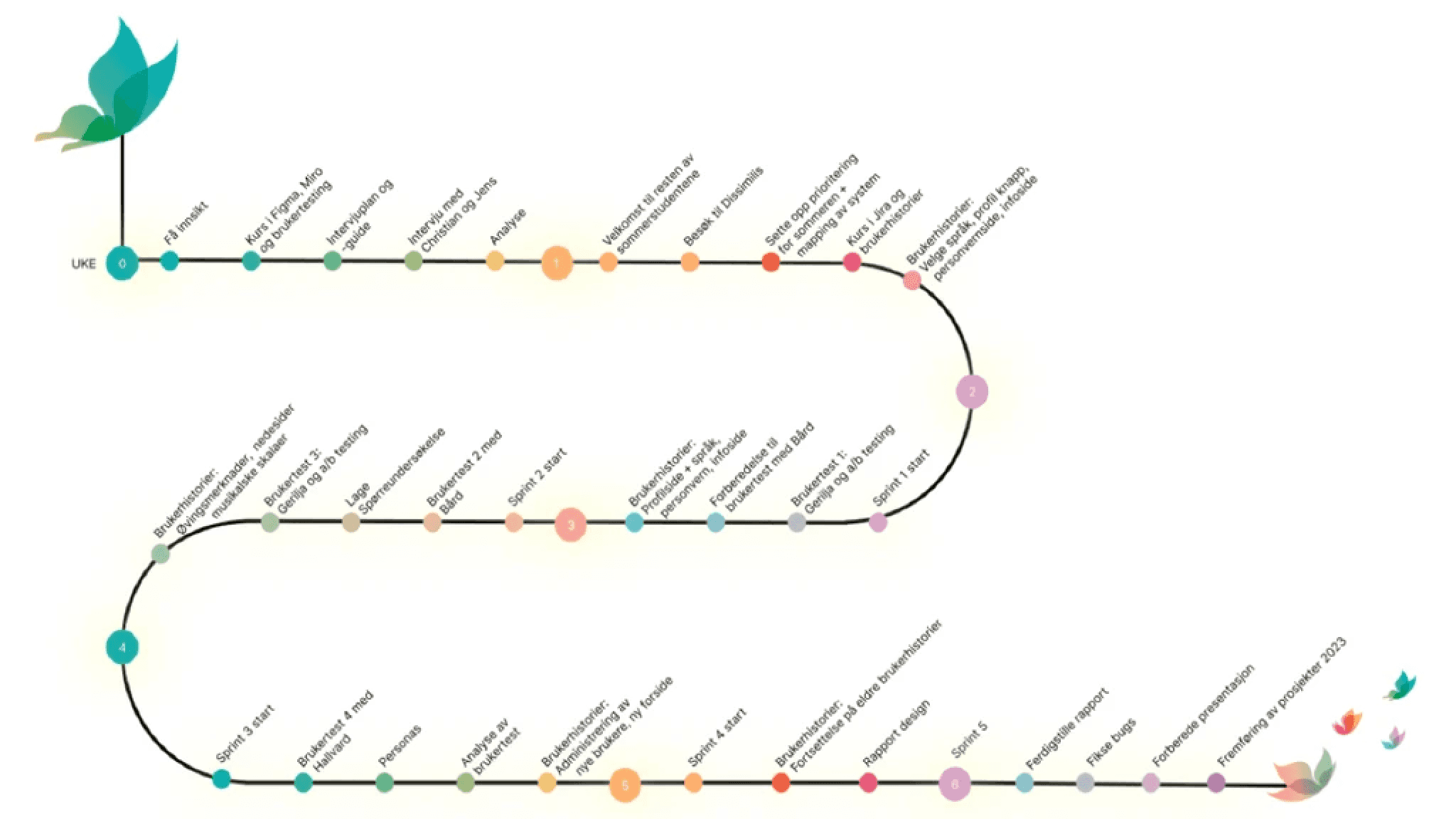
A visual timeline illustrating the project's agile delivery plan, including sprints, key testing phases, design outputs, and development milestones. This demonstrates the full workflow from initial planning through implementation and iteration.
User Personas: Defining Goals & Roles
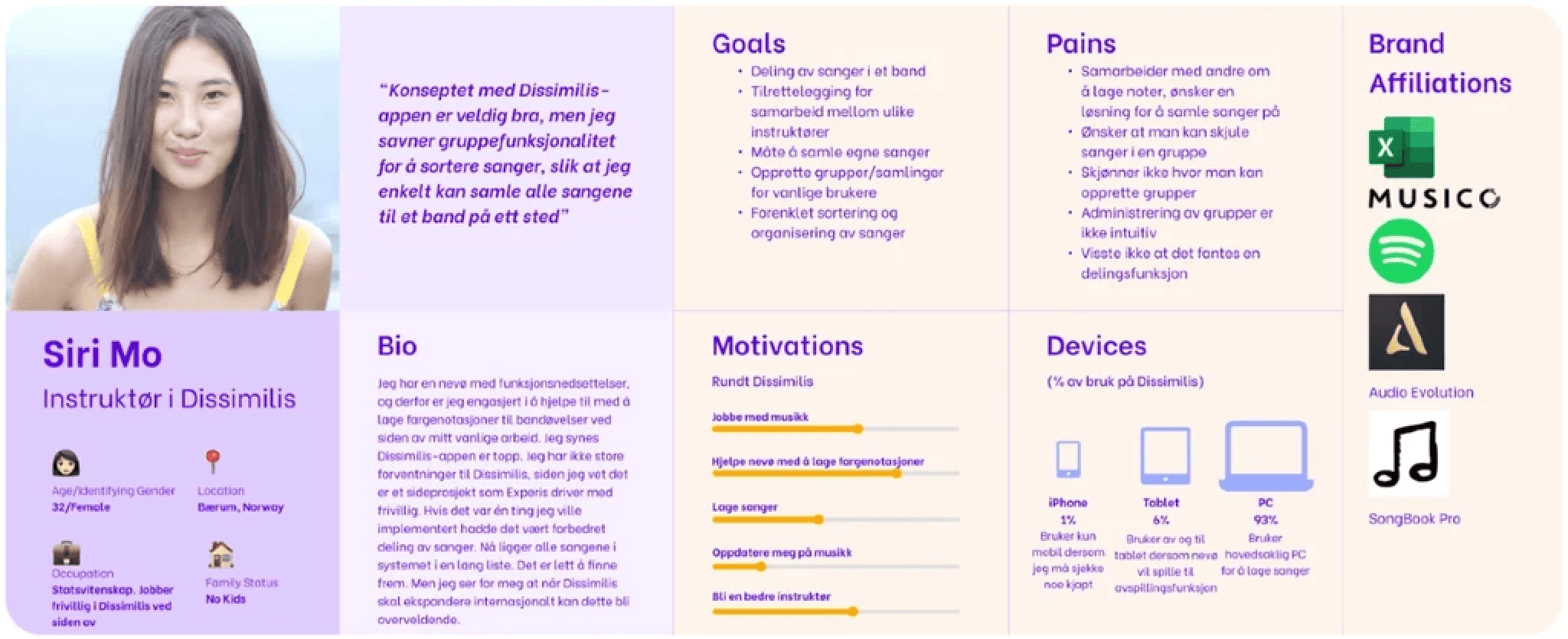
The persona artifact visualizing the goals, challenges, and motivations for typical system users. This was used to prioritize core functionality, inform the redesign of the admin panel, and ensure a clearer role-based structure.
My Process -->
User Insight • Conducted 5 in-depth interviews with core user groups (teachers/administrators). • Facilitated workflow mapping workshops to uncover administrative and user friction. • Analyzed existing quantitative and qualitative user feedback data. • Baseline usability testing of the existing system to benchmark friction points. Findings • Admin panel structure was misaligned with defined user roles and workflows. • Significant difficulty identified in content discoverability and search hierarchy. • Confusing color notation system and ambiguous global navigation. • Lack of foundational architecture to support multilingual implementation. Solution • Redesigned the admin panel with a clear hierarchy and enforced role-based permissions. • Simplified the color notation system to reduce cognitive load and minimize training time. • Introduced content discoverability features like 'Favorites,' 'Albums,' and 'Playlists.' • Reworked the global navigation structure to support international and multilingual deployment. Iteration • Iterative prototype testing conducted with end-users and system administrators. • Refined structure and interaction patterns based on cross-country feedback and validation. • Improved system logic to minimize user errors and ensure consistent global experience.
Discovery: Role-Based Onboarding and Flows
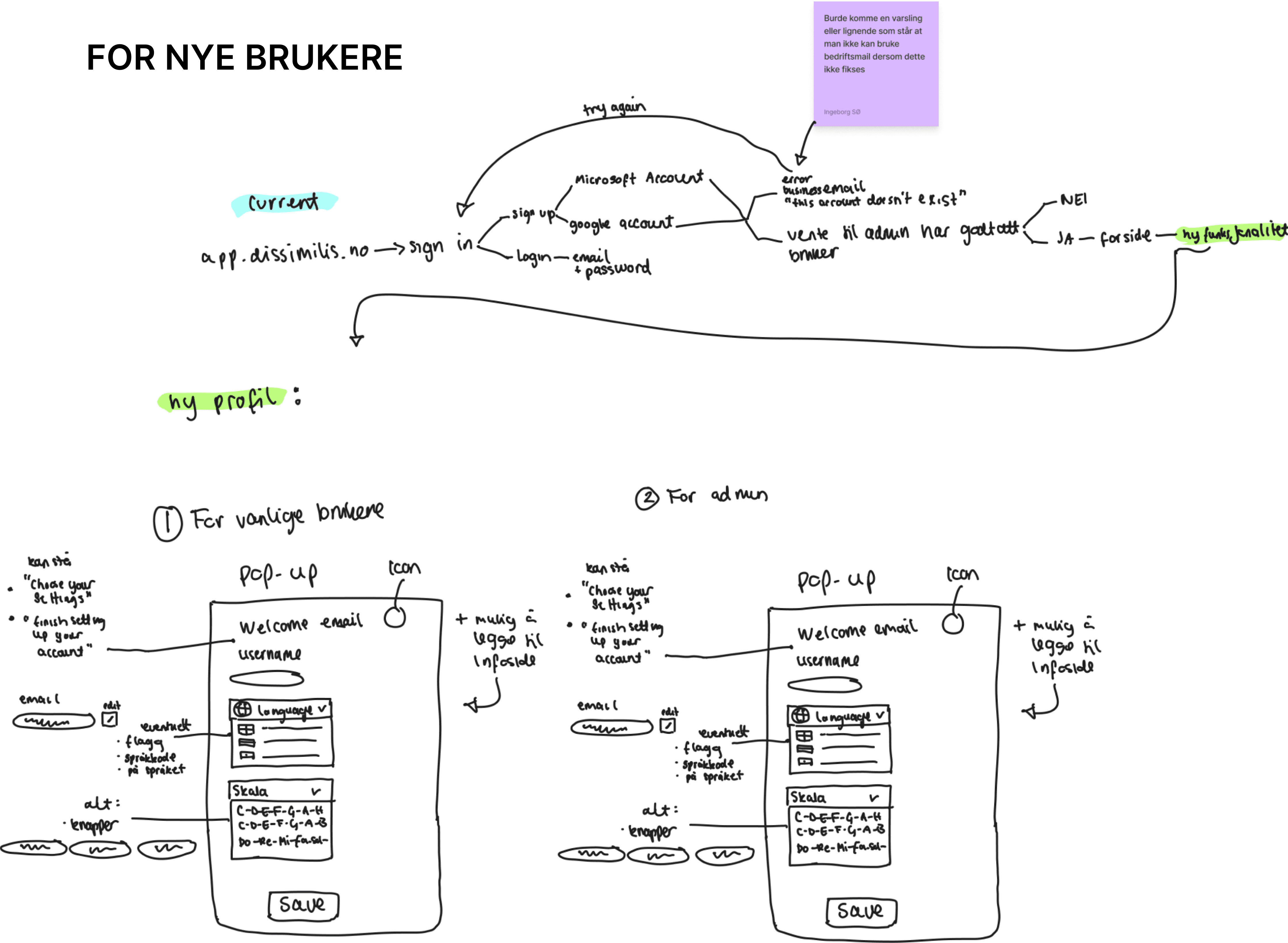
Early sketches illustrating user creation and role-based onboarding flows (regular user vs. administrator). These visuals supported the insight phase by clarifying user needs, defining roles, and mapping specific friction points in the original administration panel.
Outcome-->
• Delivered a highly intuitive and internationally scalable application architecture. • Established a clear administrative hierarchy with mandatory, proper role-based access. • Achieved a significant reduction in required user training and onboarding time. • Improved content discoverability through enhanced navigation and search tools. • Cultivated stronger, consistent alignment across large design and development teams.
Outcome: Final Scalable Solution
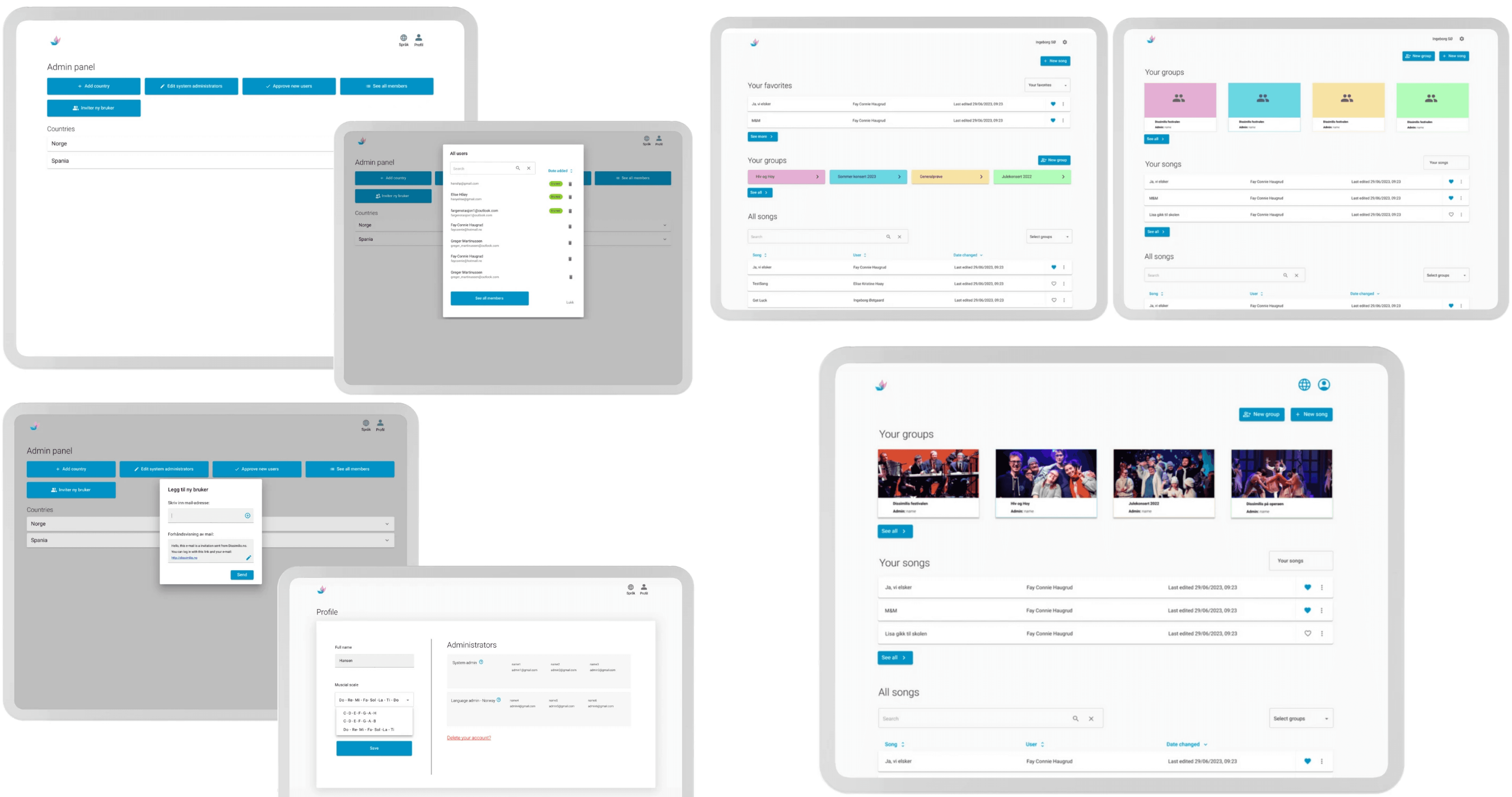
Screens showing the final redesign, featuring the streamlined admin panel, improved role-based navigation, and a clear information structure. The new layout significantly improves content discoverability and supports system use with minimal training.
This project strengthened my skills in: • Mastering design for international and multilingual product contexts. • Expertise in simplifying complex administrative logic into intuitive, streamlined workflows. • Agile collaboration with designers and a large Scrum development team. If iterated further, I would utilize cross-country user analytics to tailor the experience precisely to varied teaching styles and cultural contexts.